RFD · Over-Dyeing
How we overdye RFD garments
A general outline of our overdyeing route, from ready-for-dye garment to finished shade. This page gives a general outline. Exact chemicals, quantities, temperatures and times are developed for each order and shared with approved buyers.
The process
- 1Receive and inspectGarments are checked for construction, composition and RFD readiness before they enter the dye house.
- 2PrepareGarments are pre-treated so the dye takes evenly across seams, panels and trims.
- 3Develop the shadeA lab dip is matched to your standard and approved before bulk.
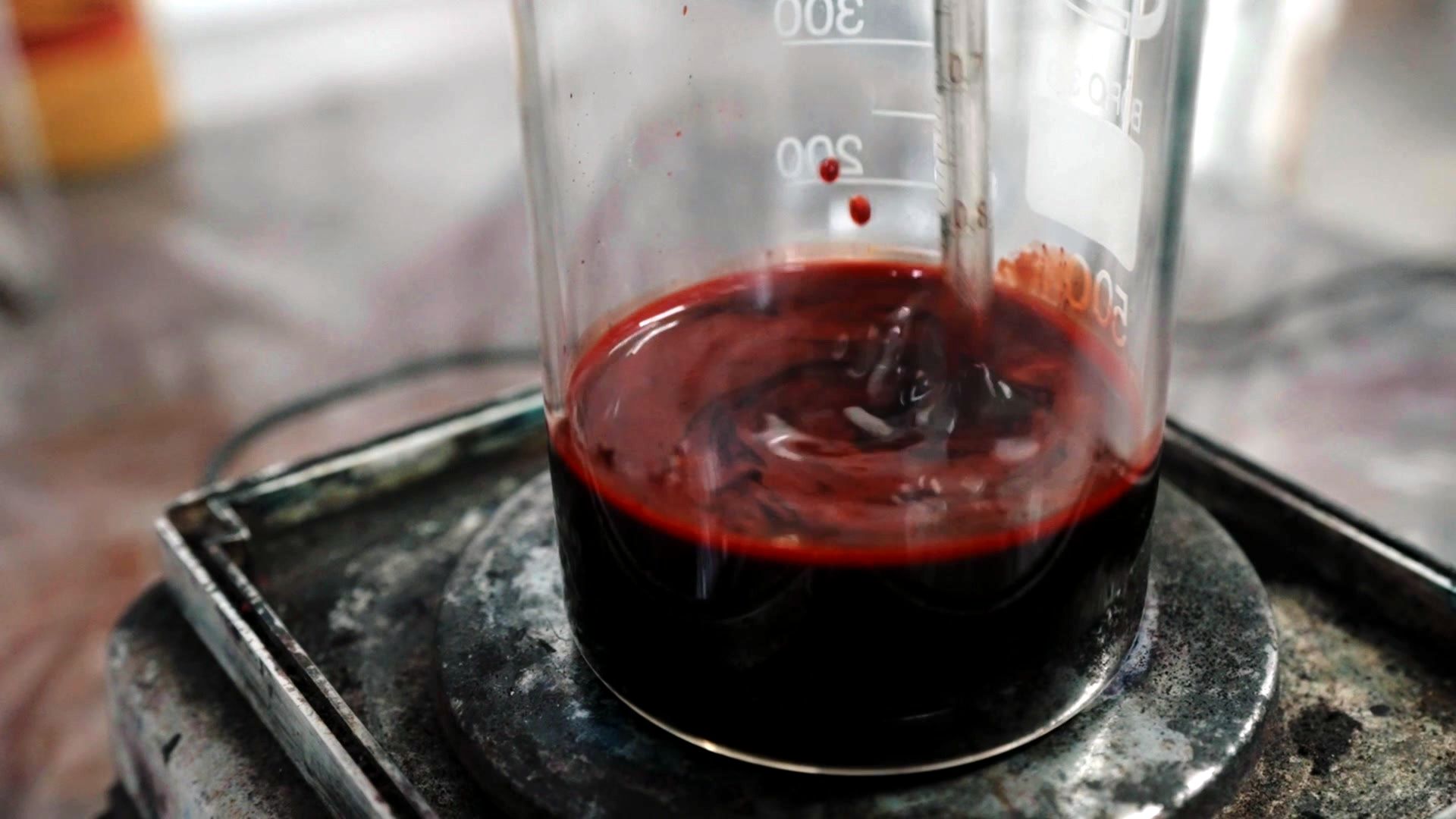
- 4DyeGarments are dyed in batches using the dye class that suits the fabric and the look.
- 5Fix and wash offColour is fixed and excess dye removed for stable, even results.
- 6SoftenA finishing softener sets the hand feel you have specified.
- 7DryGarments are hydro-extracted and dried, on lines wherever the finish allows.
- 8Quality checkShade, fastness, measurements and appearance are checked against your standard.
Dye types at a glance
| Process | Suits | Look | Good to know |
|---|---|---|---|
| Reactive dyeing | Cotton, viscose | Vivid, true colour | Strong wash fastness |
| Sulphur dyeing | Cotton | Deep blacks, navies, muted tones | Fades gently over time for a vintage feel |
| Pigment dyeing | Cotton and blends | Soft, washed-out colour | Designed to fade; lower rub fastness |
| Natural dyeing | Cotton, linen | Earthy, natural palette | Slight variation is part of the character |
| Neon dyeing | Cotton and blends | Fluorescent, high-impact | Avoid long exposure to direct sunlight |
| Cold pigment dyeing | Delicate fabrics | Soft, washed-out colour | Lower temperature, gentler on fabric |
This page gives a general outline. Exact chemicals, quantities, temperatures and times are developed for each order and shared with approved buyers.